


PROTECTING MARINE VESSELS WITH QUALITY ANODES AND PAINTS
Anodes Direct provides anodes of various materials to commercial and leisure craft throughout the UK and Europe.
At Anodes Direct we specialise in providing marine anodes sourced only from the best manufacturers and are able to ship any quantity of anodes to the trade, commercial user, yacht club or individual right now - be it bulk orders or single purchases from our distribution network.
We can also supply Marine Paint and Fuel Additives (to mainland UK only), Rope Cutters, Propellers, Fendering, Seals and Electrical Components
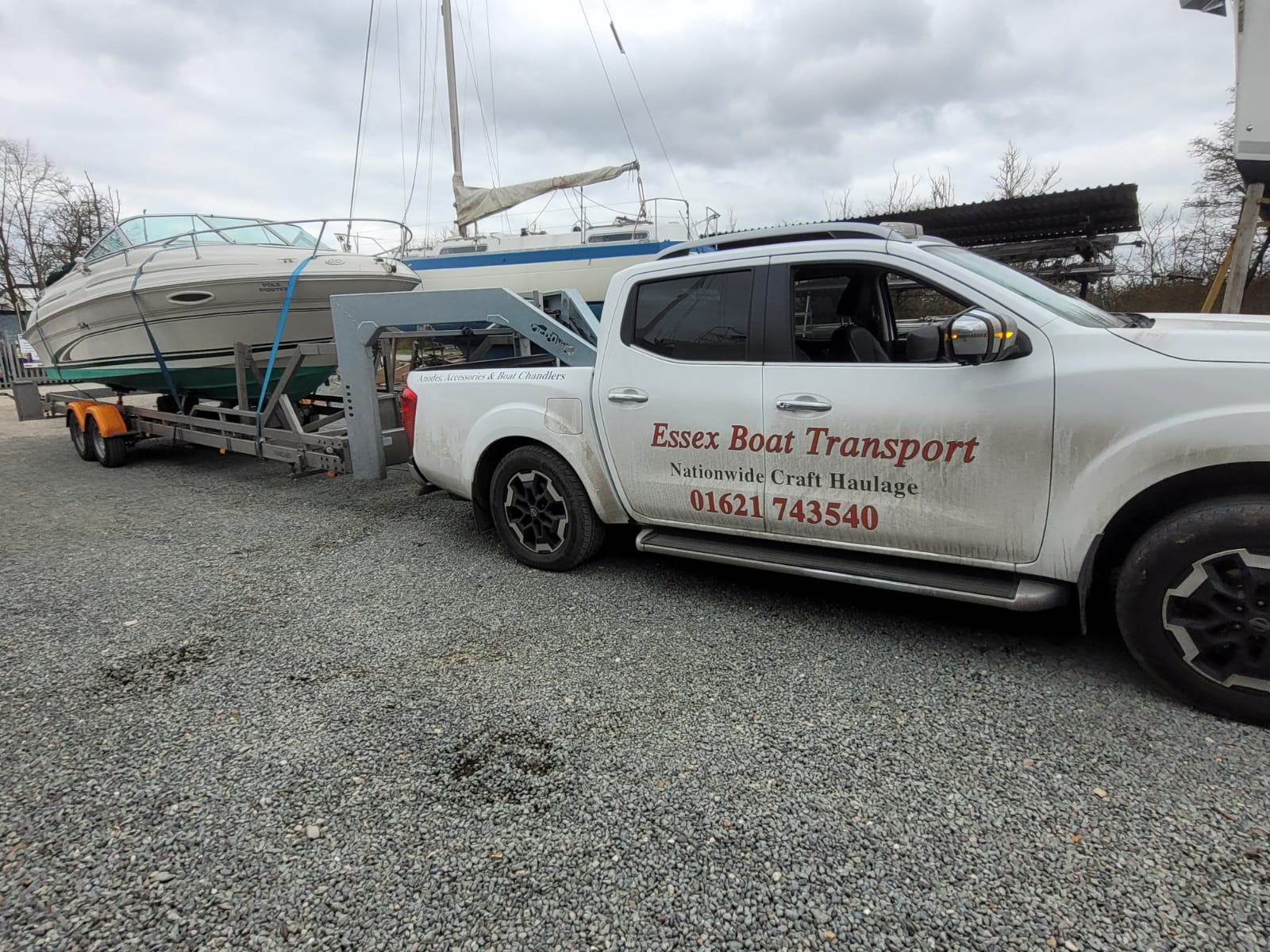
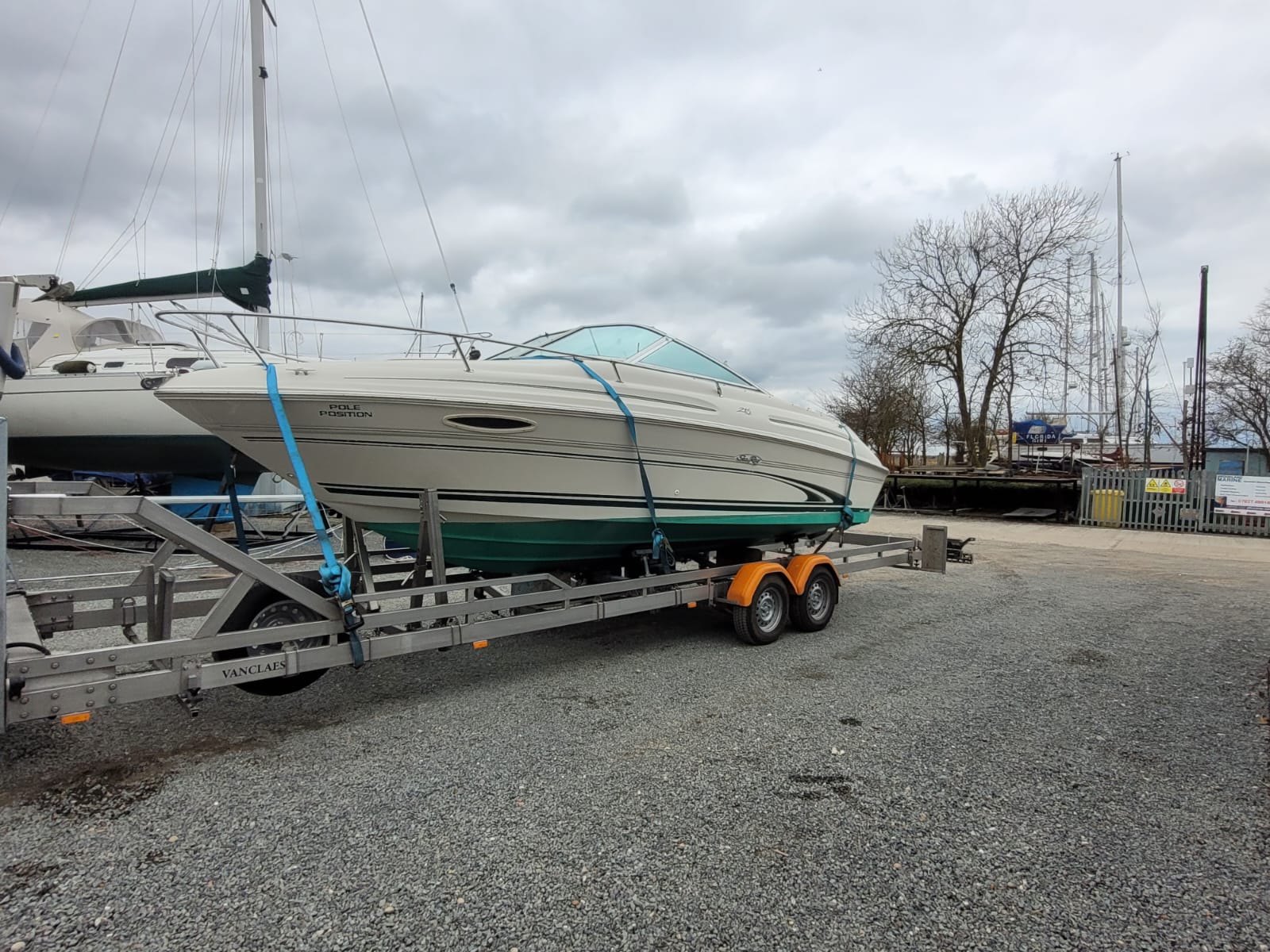
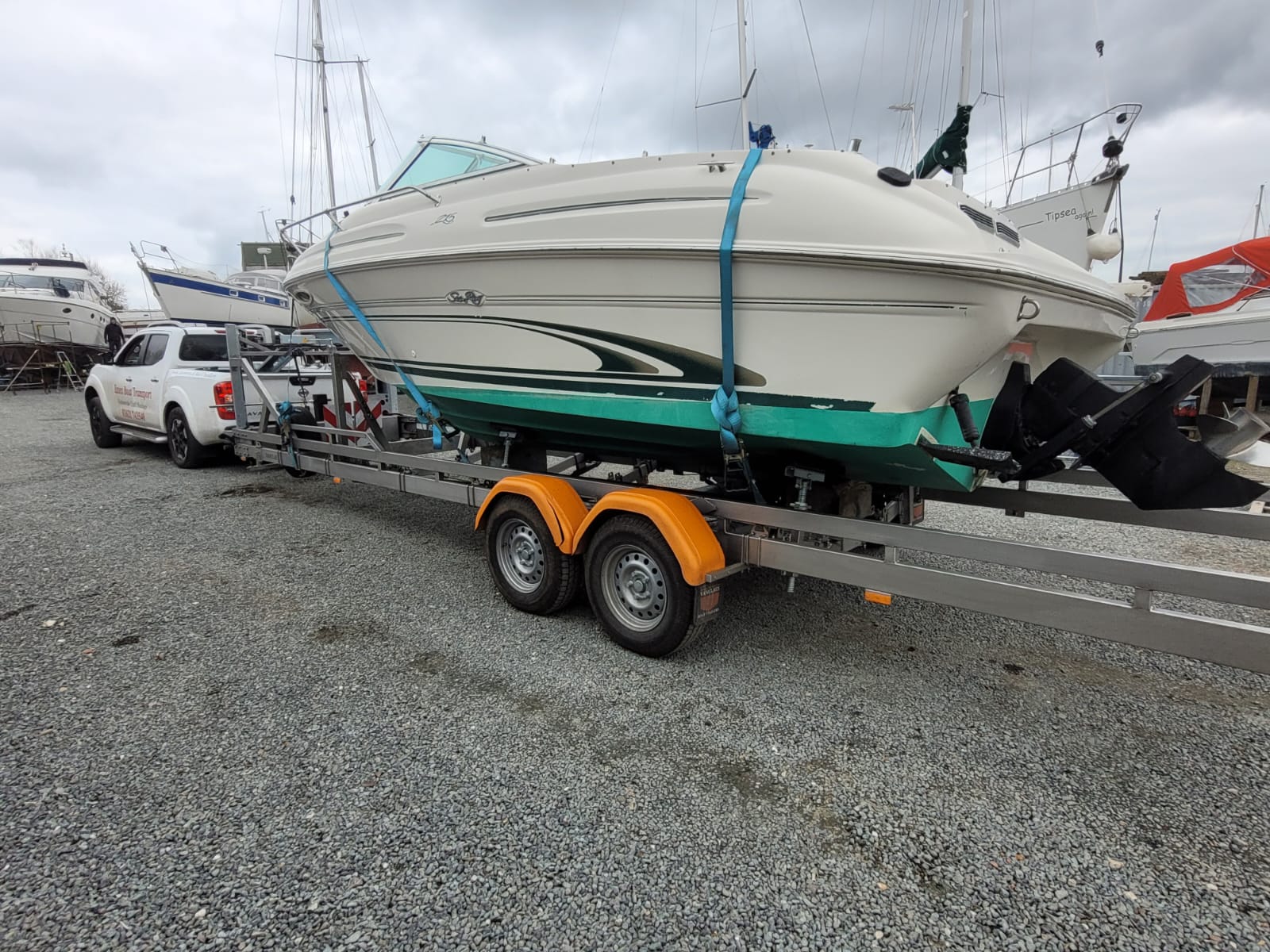
New service ESSEX BOAT TRANSPORT
Nationwide Small Craft Haulage
At Essex Boat Transport we have a 30′ specially built trailer and can transport up to 2.5 tonne vessels throughout the UK.
New for 2023 we now have a new and larger Dutch built trailer that can carry larger and heavyer boats up to 3 1/2 tonnes.
If you have your own trailer we can haul that if you prefer.
We are fully insured.
Click HERE for more info, pictures, and reviews
We offer a full range of Anodes from




























At Anodes Direct we are continually updating our website and are offering massive discounts for all your marine anode needs.
Price Match
Anodes Direct would consider matching any price for like item you can purchase cheaper from any other supplier.
In the unlikely event that you find the same item cheaper, please contact us.
Metal Exchange Price Variances
Please note that prices may fluctuate due to The London Metal Exchange.
If prices differ we will notify you prior to your order being processed.

If You need to pay us for supplementary shipping, you can either send us a bank transfer, details will be on any email from us, or if you prefer to use PayPal, by scanning the PayPal QR Code and paying our parent company BEE-LINE (SOUTHEND) LIMITED
Postage & Packing
Delivery of Anodes and GUK Rope Cutters
UK (England, Wales, Scottish Lowlands, Highlands & Northern Ireland)Royal Mail for packages up to 2kg
1st Class Tracked & Signed For
Up to 2kg is £9.50 (nil vat)Carrier for packages over 2kg
UPS, TNT, DPD, Parcel Force
(England, Wales & Scottish Lowlands Only)
2kg-10kg £10.00 (+vat)
10kg-15kg £12.00 (+vat)
15kg-25kg £13.00 (+vat)
Over 25kg POA(Scottish Highlands & Islands)
2kg-25kg £19.09 (+vat)
(Northern Ireland)
2kg-25kg £15.99 (+vat)
Spurs Line Cutters
Small Pack £5 (+vat)
Large Pack £12 (+vat)SLC Line Cutters
£15 (+vat)
Shipping outside the UK and within Europe is calculated at checkout (up to 25kg) for over 25kg POA (please contact us for a quote)
Shipping outside Europe POA (please contact us for a quote)
We are only able to ship Marine Paint/Coatings within the UK.*
*Marine Paint can be shipped to England, Wales, Scottish Lowlands, Highlands & Islands Only.
**Wilks products can be shipped throughout the whole UK including Scottish Highlands and Islands, Isle of Man, Jersey & Guernsey, Republic of Ireland and Northern Ireland.
***Marine16 products can be shipped throughout the whole UK including Scottish Highlands and Islands, Isle of Man, Jersey & Guernsey, Republic of Ireland and Northern Ireland.
****Propspeed can be shipped throughout the whole UK including Scottish Highlands and Islands, Isle of Man and Northern Ireland.
*****Spurs products can be shipped throughout the whole UK including Scottish Highlands and Islands and Northern Ireland.
We offer discounts on multiple purchases where items can be shipped together.
Due to Brexit regulations (31/12/2020) we no longer charge vat on any exports outside of the UK. You may be charged tax upon arrival of your goods if shipping is to a country outside of the UK.
Delivery of Marine Paints & Coatings
UK (England, Wales & Scottish Lowlands Only)*1-3 tins of up to 2.5 Litres £12 (+vat)
4-6 tins of up to 2.5 Litres £24 (+vat)
7-9 tins of up to 2.5 Litres £36 (+vat)
10-12 tins of up to 2.5 Litres £48 (+vat)UK (Scottish Highlands & Islands Only)*
1-3 tins of up to 2.5 Litres £23 (+vat)
4-6 tins of up to 2.5 Litres £46 (+vat)
7-9 tins of up to 2.5 Litres £69 (+vat)
10-12 tins of up to 2.5 Litres £92 (+vat)Over 4 packages/12 tins of up to 2.5 Litres POA
Tin sizes over 2.5 Litres POACases of paints can be mixed sizes (tin sizes up to 2.5 litres)
Please only purchase paint/chemicals by 1 manufacturer per order
Wilks Boat Fendering
Standard**
from
0-20kg £23.61 (+vat)
20-30kg £29.07 (+vat)
30-40kg £34.55 (+vat)
40-50kg £40.01 (+vat)
50-60kg £45.48 (+vat)Larger weights are calculated at checkout by weight
Marine 16 Fuel Additives
UK and Islands Only***per order up to 24kg
Mainland England & Wales £9.38 (+vat)
Isle of Wight £17.58 (+vat)
Isles of Scilly £17.58 (+vat)
Scotland Lowlands £9.40 (+vat)
Northern Ireland £20.26 (+vat)
Scotland Highlands, Islands, Isle of Man, Channel Isles £21.60 (+vat)
Republic of Ireland £21.90 (+vat)Sterling Power
Mainland England, Wales & Scottish Lowlands £12.00 (+vat)
Scotland Highlands & Islands £24.00 (+vat)
Northern Ireland £20 (+vat)
Republic of Ireland £20
Channel Islands £24Seals+Direct
Mainland UK
For goods up to 30kg
Order Value up to £24.99 - £4.95
Order Value £25.00 to £39.99 - £7.50
Order Value £40.00 to £99.99 - £10.95
Order Value £100.00 to £299.99 - £15.00
Order Value £300.00+ £20.00
Over 30kg quote on application
Adhesives A139 & A262 minimum £7.50
Long lengths over 1.4 metres (PFR183, PFR186, ALF1015, ALF1017, ALF1019, ALF1021, ALF1023, ALF1025, RFDBT4046, PFD579) quote on application
Postage and packing is calculated by the shopping cart at checkout for Anode/Rope Cutter orders weighing up to 25kgs or Marine Paint/Coating orders up to 12 tins/3 packages.
For orders of larger quantities, the shopping cart will charge for goods only. Please contact us to discuss the most convenient/economical delivery method, which will be charged separately.
We use different carriers for Marine Paint/Coating to Anodes/Rope Cutters so unfortunately we are unable to mix the delivery.
Please make sure your Marine Paint/Coating order is separate to your Anode/Rope Cutters order. If you wish to order both, then please make 2 separate orders.